
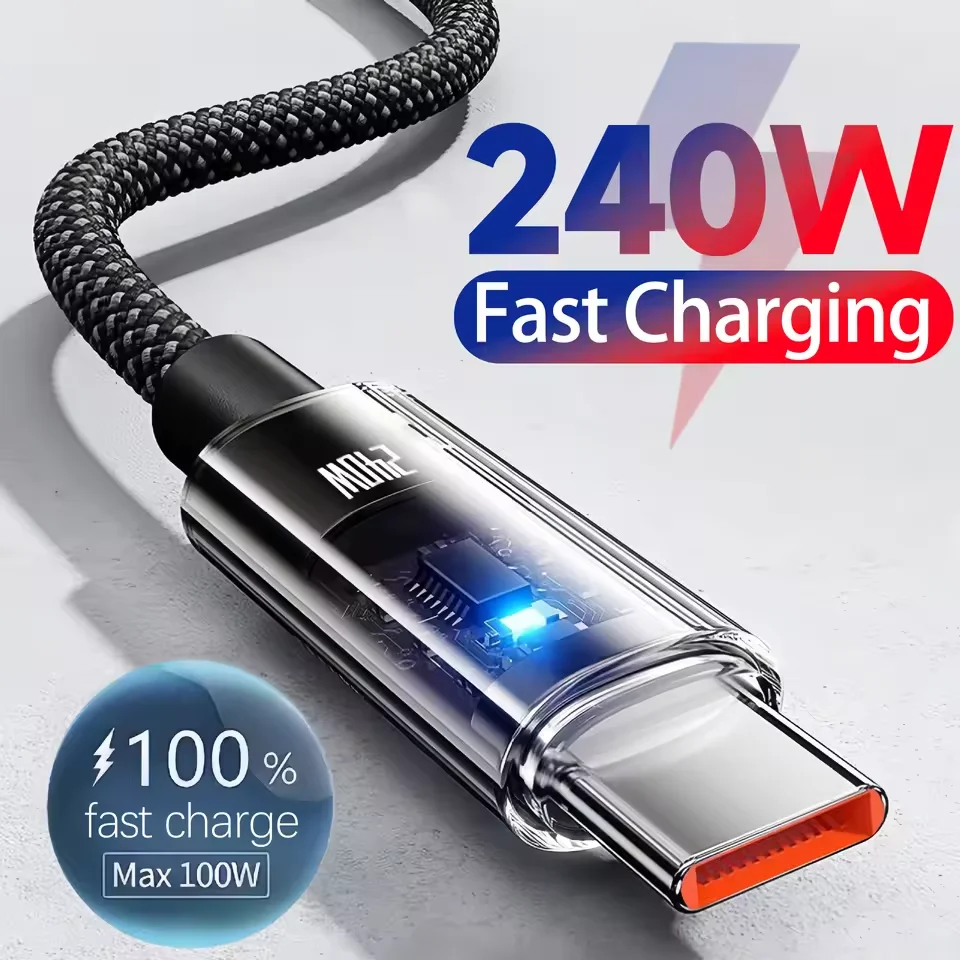

- A lithium battery with 1500mAh capacity or more ensures months of use without charging.
- A USB-C connection is the new standard for fast and stable charging in 2026.
- Magnetic installation allows for maximum mobility between different home spaces.
- A high-quality infrared (PIR) sensor prevents false triggers and saves energy.
Choosing the best rechargeable motion sensor requires focusing on battery capacity, PIR sensor quality, and the convenience of magnetic installation to ensure efficient automatic lighting without the need for complex electrical wiring.
Step 1: Defining Needs and Placement in the Israeli Home
The first step in choosing smart lighting is characterizing the exact location, as the light intensity required for a dark wardrobe is different from the intensity required for a long hallway. In Israel, where living spaces vary, it is important to understand whether the product is intended for dry indoor use or for a high-humidity area like the bathroom.
When looking for the ideal sensor, you should pay attention to the following points:

- Detection distance: Does the sensor need to detect you from a distance of 2 meters or 5 meters?
- Coverage angle: Most high-quality sensors offer a 120-degree angle.
- Light temperature: Warm light (3000K) is suitable for bedrooms, while cold light (6000K) is suitable for kitchens and basements.
- Illumination intensity (Lumens): 50-100 lumens are sufficient for small shelves, while 200 lumens or more are better for hallways.
Additionally, it is important to consider the structure of the average Israeli building, characterized by concrete walls (Mamad) or thick blocks. These materials can affect light reflection in the room, so in rooms with darker walls, it is advisable to choose a sensor with a higher-than-average lumen output to ensure maximum visibility.
Step 2: Checking Battery Specifications and Connection Type
The heart of any best rechargeable motion sensor is its battery, and the goal is to minimize charging frequency as much as possible. In 2026, we do not compromise on less than a rechargeable lithium-ion battery that allows for weeks of continuous operation in automatic mode.
Ensure the device you buy meets the following standards:
- Battery capacity: Minimum 1000mAh for small units and 2500mAh for long light strips.
- Connection type: Insist on USB-C only, which allows for fast charging and compatibility with your existing smartphone chargers.
- Charging indicator: An indicator light that changes from red to green when the battery is full is an essential feature.
At InstaShop, we always recommend checking the declared charging time versus actual working time, so you don't find yourself charging the device every two days. A quality battery should last at least 30 to 60 days with an average use of 10 activations per day.
Advanced Sensor Technology: PIR vs. Microwave Sensors
When evaluating the best rechargeable motion sensor, it is important to know the technology behind the detection. Most home devices use a Passive Infrared (PIR) sensor, which detects changes in body heat moving through space.
Advantages of the PIR sensor:

- Energy saving: The sensor consumes zero power during standby.
- Accuracy: It is not triggered by the movement of curtains or wind, but only by living creatures.
- Price: This technology allows for an accessible price for the consumer.
In contrast, there are microwave sensors capable of detecting movement even through doors or thin walls. For most home uses like closets or hallways, a PIR sensor is the preferred and most correct choice in terms of cost versus benefit.
Step 3: Choosing the Installation Method - Magnet vs. Adhesive
The great advantage of rechargeable sensors is the freedom from cables, but the method of attachment to the surface will determine how convenient it will be for you to operate the device daily. Our guide recommends the "magnetic strip" method, which allows for quick removal for charging and returning to place in a second.
There are three main methods common in the Israeli market:
- Direct Adhesive (3M): A strong double-sided adhesive strip that attaches the light fixture to the wall. Disadvantage: Difficult to remove without damaging the paint. Suitable for very permanent locations like inside a medicine cabinet.
- Magnetic Mount: A metal strip is glued to the wall, and the device itself attaches to it magnetically. This is our preferred method at InstaShop because it makes charging a simple action of pulling out and putting back.
- Hook Hanging: Mainly suitable for storage rooms or utility closets with a built-in hook. This method is less aesthetic but very practical for workspaces.
Comparison of Selected Rechargeable Motion Sensor Models 2026
To help you decide, we have compiled a table comparing the different types currently available in the international deals market:
| Product Type | Average Battery Capacity | Recommended Use | Price Range (NIS) |
|---|---|---|---|
| Slim Light Strip | 1500mAh | Wardrobes, under shelves | 45 - 70 |
| Round Night Light | 800mAh | Stairs, children's rooms | 30 - 55 |
| Powerful Floodlight | 4400mAh | Storage rooms, covered parking | 110 - 180 |
| Flexible LED String | 1200mAh | Headboard design, ambient lighting | 50 - 90 |
Step 4: Setting Operating Modes (Auto vs. On)
Setting the modes is critical for energy saving and user experience, as we don't always want the light to turn on automatically. Most modern devices come with a three-way switch that is important to know and set correctly after installation.
The three common modes are:
- ON: Constant light. Excellent for power outages or when prolonged lighting is needed during work. Note that this mode drains the battery quickly (within a few hours).
- OFF: Complete shutdown. Recommended when going on a long vacation to maintain battery health and prevent unnecessary discharge.
- AUTO: Motion sensor mode. The light will turn on only in the dark and only when movement is detected, and will turn off automatically after 15-20 seconds of stillness. This is the most efficient mode for daily use.
Maintenance and Battery Life Optimization
To keep your best rechargeable motion sensor for years, you should follow a few simple maintenance rules. First, it is recommended to clean the sensor eye once every few months with a dry cloth, as dust accumulation can reduce detection sensitivity.
Additionally, similar to smartphone batteries, it is recommended not to let the battery drain completely to 0% regularly. Charging when the light starts to dim slightly will help maintain battery capacity over time. If you install the sensor in a very cold place, take into account that battery performance may drop slightly, and you may need to charge it more frequently.
Common Mistakes to Avoid
Even when buying the best rechargeable motion sensor, small mistakes can lead to disappointment with the product or waste valuable time on replacements. Here is what you should not do:
- Installation facing a heat source: PIR sensors are sensitive to temperature changes. Installation facing an air conditioner, heater, or even a sun-drenched window will cause false triggers that drain the battery.
- Using an old, weak charger: Using phone chargers from a decade ago can damage the new battery's charging circuits or simply charge it at an agonizingly slow rate.
- Outdoor installation without IP protection: These products are usually not waterproof. Do not install them in a place exposed to rain or extreme humidity unless an IP65 rating or higher is explicitly stated.
- Blocking the sensor: Ensure that no item in the closet, opening door, or room design hides the small eye of the sensor. Even a partial blockage will significantly reduce the detection angle.
We at InstaShop invite you to continue reading our guides, such as
;padding-top:14px"><b>More articles:</b><ul style="line-height:2"><li><a href="/en/blog/how-to-build-a-home-gym-in-israel-2026-the-practical-guide" style="color:var(--brand)">How to Build a Home Gym in Israel 2026: The Practical Guide</a></li><li><a href="/en/blog/wireless-smart-home-in-israel-2026-smart-system-setup-checkl" style="color:var(--brand)">Wireless Smart Home in Israel 2026: Smart System Setup Checklist</a></li></ul></div>
<div style="margin-top:20px"><a class="cat" href="/en/" style="background:var(--brand);color:#fff">🛍️ To the shop →</a></div></div><script>try{navigator.sendBeacon&&navigator.sendBeacon()